
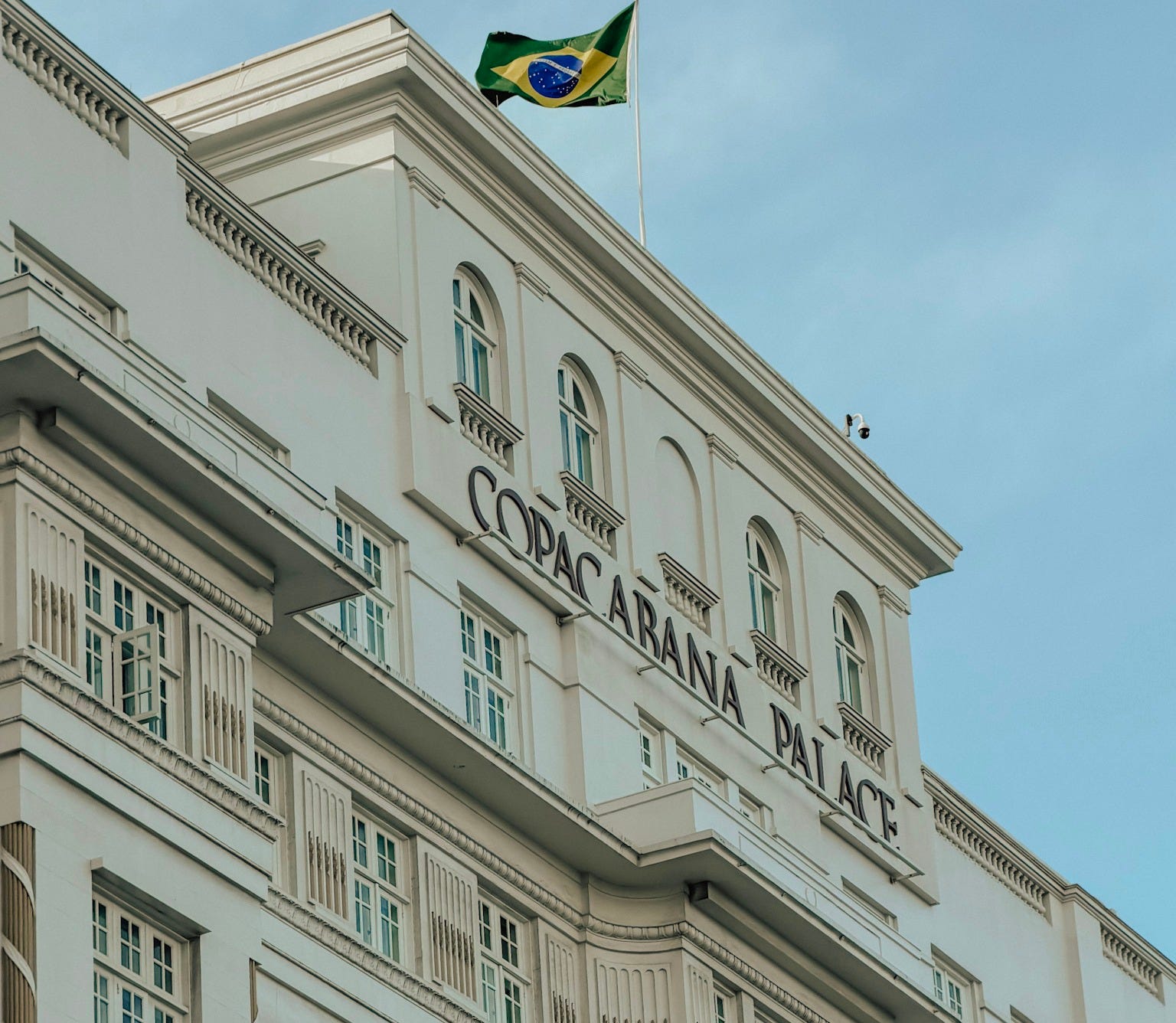
As surreal as landing at Santos Dumont with the right window seat is getting into a cab and asking to be taken to the address every carioca knows by heart.
I arrived at the Copa (the intimacy comes with the stay) exhausted. I’d woken up at 4:30 on a Monday for a thankless flight from Curitiba to Rio with my not-quite-two-year-old. The night before, I’d carefully packed his breakfast for the trip — and, of course, forgot that mom needs to eat too.
The plane landed and we sat there a good while, waiting to deplane. Kai was making friends with the passengers and devouring his bananas and to-go snacks; I was doing the math on how many hours I’d gone without food.
At the front desk, a receptionist welcomed us with a warmth so familiar I wasn’t sure we hadn’t met somewhere before. “You must be exhausted. We’ve still got five minutes of breakfast left — let me have them set aside a table so you can eat while the room gets ready.”
In the restaurant, three smiles welcomed Kai, calling him by name and complimenting the Shrek Crocs that would become famous over the next two weeks. At that point I couldn’t even tell you whether the hostesses were guests or staff — maybe it was the hunger or the exhaustion, but more likely it was that their uniforms were that impeccable.


Breakfast at the Copa isn’t a meal, it’s an event. The spread of fresh food, an abundance of fruit that left my son deliciously confused after so long eating only bananas and berries in Canada, the à la carte dishes, the juice bar, the bottomless mimosa.
But it’s the view. The pool, the striped umbrellas, the side of the 1923 building on one side, the Chopin building on the other. Sitting there, I invented memories of a time I never lived: the 1920s, when Copacabana was nearly deserted and the Copacabana Palace Hotel, practically alone on the sand, was already receiving the most illustrious figures passing through Brazil — the decades of dramas, romances and parties that still fill books, soap operas and magazine gossip today.
In the room, handwritten cards from the guest services manager, and portraits of family carefully placed throughout the space. In the crib, gifts for my son laid out on the Trousseau linens, beside a pillowcase embroidered with his name. On the table, a chilled bottle of sparkling wine and pão de queijo still warm. I found the details little by little, hidden around the suite on purpose, over the hours that followed.


But what struck me most over those two weeks was the people.
Samara, Letícia, Stephanie, Gabriel, Livia, Lia and Anderson are some of the names that made us feel at home six thousand miles from ours. The hostess who knew our favorite table before we’d even crossed the restaurant door — and whom Kai would only hug after eating his watermelon, never before (she learned to wait). Nothing there feels rehearsed or robotic: these are people who bring their own personality and their own spontaneity to the conversation with guests, and who slowly make you feel like part of the house.
“Build the people and they will build your business,” said Alex Calderwood, founder of the Ace Hotel. I thought of that line several times during the stay: the Copa is a hotel that for over a century has nurtured people while training professionals — and the result shows up in a smile that recognizes a pair of Shrek Crocs.
On the morning we left, we got into another cab, this time going the other way. Kai said goodbye to the door team handing out hi-fives and fist bumps and blowing kisses. And I left understanding why everyone who passes through Copacabana Palace talks about it with the intimacy of someone talking about home.
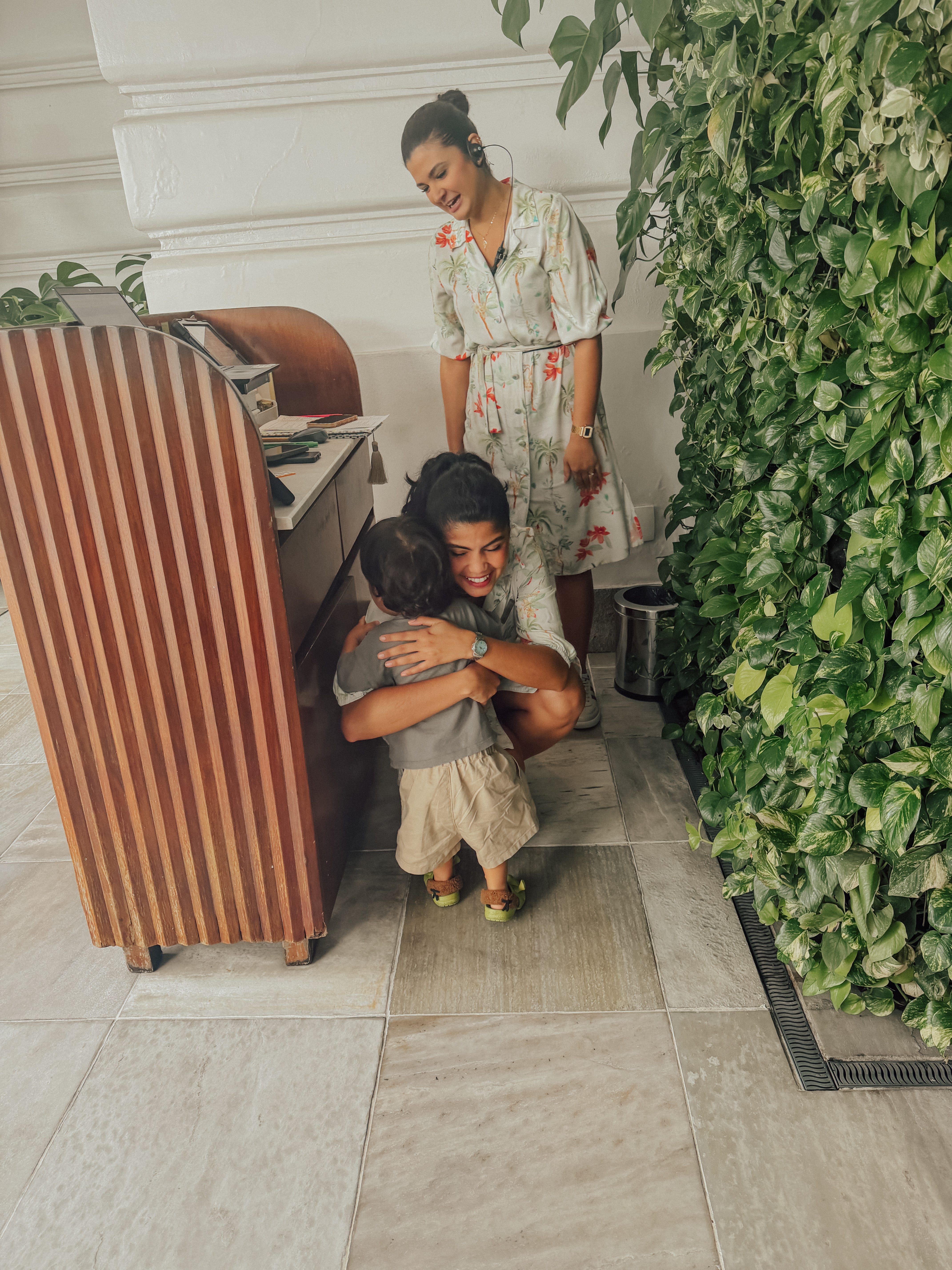
Thank you to everyone who makes Copa what it is.
And to you, for reading this far.
Mafe.