
On one of those nights when the Brazilian support-system-for-tired-parents works its miracles, I went out with my husband and his group of friends to a bar in São Paulo. I was the only woman at the table, and it took about one round to see that the conversation was headed straight for basketball and wouldn’t be coming back. So I started talking shop with the friend next to me, an engineer who owns a company that builds large-scale developments.
He told me he’s working on a hotel project, in charge of turning the architect’s vision into an actual hotel building. And that he lives with two recurring pains on this project: executing architectural proposals that don’t hold up long-term or allow for simple maintenance, and answering to the project owner, who asks with uncomfortable frequency whether a given solution will deliver a good guest experience.
“I enjoy consuming luxury — lying on a comfortable bed, being well taken care of, being somewhere where everything works — and I love providing that for my wife. But none of that means I know how to manufacture a luxury environment,” he told me, right before asking if he could pass my name along to the project owner — an elegant attempt to rid himself of the questions he has no answers for. My answer? Yes, of course. Projects like this make my eyes light up, and by the end of this piece you’ll understand why.
I know this pain intimately. I spent years working with high-end brands that treat design as a non-negotiable value, and I watched the same script play out more times than I’d like: the brand hires brilliant architects who deliver award-winning store designs, flawless in interior photography when coordinated with the right light — and that don’t stand up in operation.
Here’s the thing: at brands that develop exclusive, one-of-a-kind designs for each store, the architect rarely comes from retail. There is no way for them to know the operational complexity of a store from the inside, so it falls to the brand to bring that complexity into the brief: the customer flow, which needs to move naturally through every area of the store; the lighting, which has to show clothes and mirrors without distorting color, but without brightening to the point of killing the premium atmosphere; and the fitting room — where the customer has her most intimate contact with the product and where the sale actually happens — which therefore needs to be impeccably comfortable, with hooks and ledges in the right places, privacy, and the right distance from the mirror.
In Brazil, I’d add two more points I almost never see considered in store design: the cash desk structure, which needs to absorb the operation’s IT infrastructure (so many beautiful projects that, once the photo is taken, turn into a tangle of screens, cables, and clunky red card machines — because here, unfortunately, we still don’t have mobile checkout as efficient as other countries do); and the comfort of the team working in the stockroom.
But this article isn’t about architecture. That bar conversation left me with a bigger question: who is watching over the consistency of every element that touches the experience, from the design of the project to the daily delivery to the customer or guest?
For reasons I affectionately call “research,” I’ve stayed in wonderful hotels, eaten at starred restaurants, and visited some of the best spas in the world — all on the business expense account. And as I always say: Mafe the person loved every single one of those experiences and would go back without blinking. Mafe the business, on the other hand, can’t switch off — and she noticed a lack of consistency in absolutely all of them.
The five-star front desk whose service doesn’t match the quality of the restaurant’s. The massage executed with surgical attention to detail, followed by a spa bathroom stocked with products chosen with none of that criteria. The room scent fighting with the store’s playlist. The design of the clothes disagreeing with the lighting of the space. The list is long, and I could spend hours adding to it.
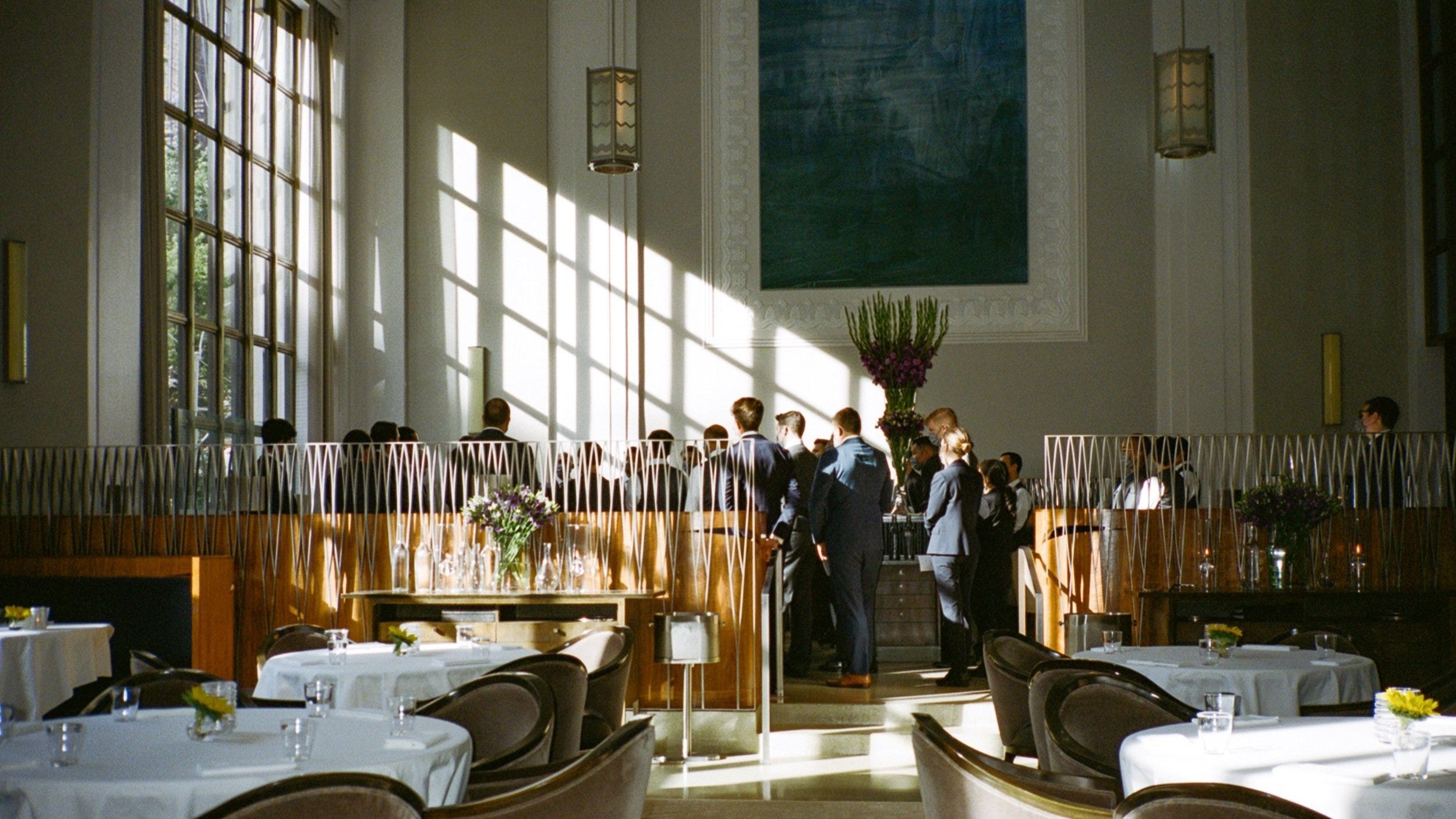
In Unreasonable Hospitality, a book I never tire of recommending to anyone who wants to build an exceptional customer experience, Will Guidara tells the story of the moment he realized that the experience at Eleven Madison Park was airtight from end to end: impeccable atmosphere, well-trained service, food worthy of its Michelin stars, a motivated team, and an unprecedented culture of surprising guests. Airtight until you got to the coffee — which was just coffee, generically extracted by someone pressing a button on a machine. The last thing a guest consumed in the restaurant had the power to ruin everything that came before it, and that’s when he understood he needed a trained barista: the people who care about coffee — few, perhaps, but relevant — deserved to leave with one final gastronomic experience worthy of the rest.
Coffee, by the way, is serious business in our house. My husband and I have our own internal rating system, and to this day we haven’t found the perfect place. The criteria are simple: a space that’s beautiful and/or cozy; coffee that’s high quality and, above all, consistent (our standards here are high); good food; and service that makes us feel welcome — without that caricatured gen Z service that has already become a meme on TikTok.
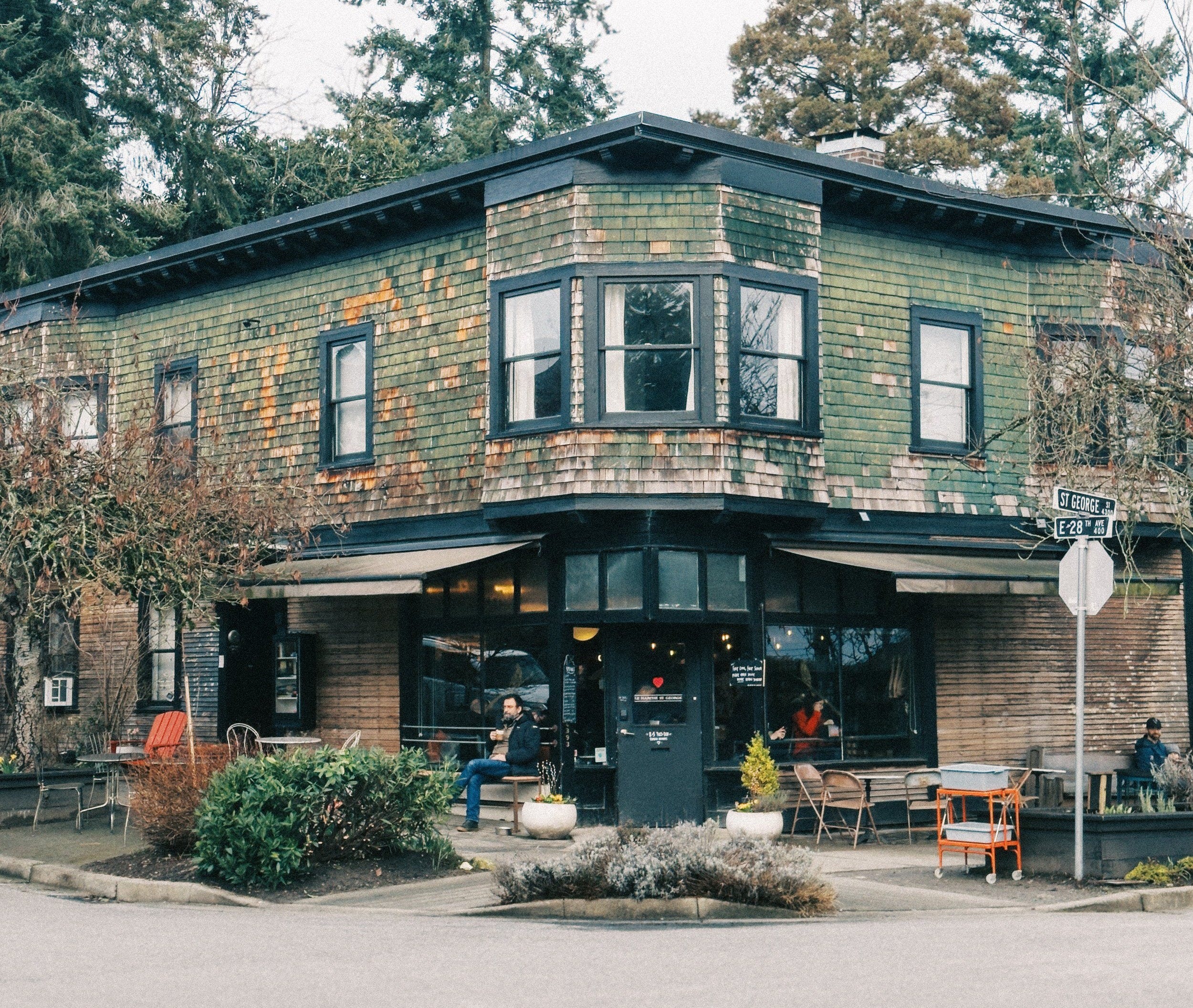
We live in Vancouver, travel often to Rio, São Paulo, and Curitiba, and recently passed through the Côte d’Azur, the Italian riviera, Milan, Tokyo, Kanazawa, Kyoto, and New York. Not one café checked all four boxes — which surprises me, because we’re not asking for anything beyond the basics. To be fair, a few came close: Onibus in Nakameguro, Tokyo (perfect coffee, delicious morning sun, and a little playground next door that parents are grateful for), Oide (consistently perfect coffee, a nice room with interesting customers, a good croissant), and Le Marché St. George (10/10 neighborhood-café atmosphere, lovely food, great coffee), the last two in Vancouver. But none of them closed the full circle: either the coffee wavers or the service is unfriendly — there’s always something slightly off.
And it’s this search that produces the observation this whole article rests on: if even the well-executed basics are hard to find, then consistency isn’t a question of resources, but of having someone who answers for it.
Because when we talk about high-end experience — which has nothing to do with price and everything to do with the customer’s level of expectation, even if meeting that expectation usually ends up reflected in the price — the inevitable question is: who makes sure every element speaks the same language and clears the same bar?
What I see in practice is marketing choosing the bathroom products and the playlist, the manager training the team however they think best, and the creative direction briefing the architects without involving the people who will operate the space. Everyone does their part well, each with their own interpretation of what the brand wants to deliver and what “good” means in practice, and nobody ties the parts together. What’s missing is what I call an experience owner — and in their absence, the details are orphaned: the packaging doesn’t speak the same premium language as the quality of the clothes, the price tag doesn’t get the same care as the hanger selection, and, more crudely, the little espresso at the end doesn’t live up to the meal.
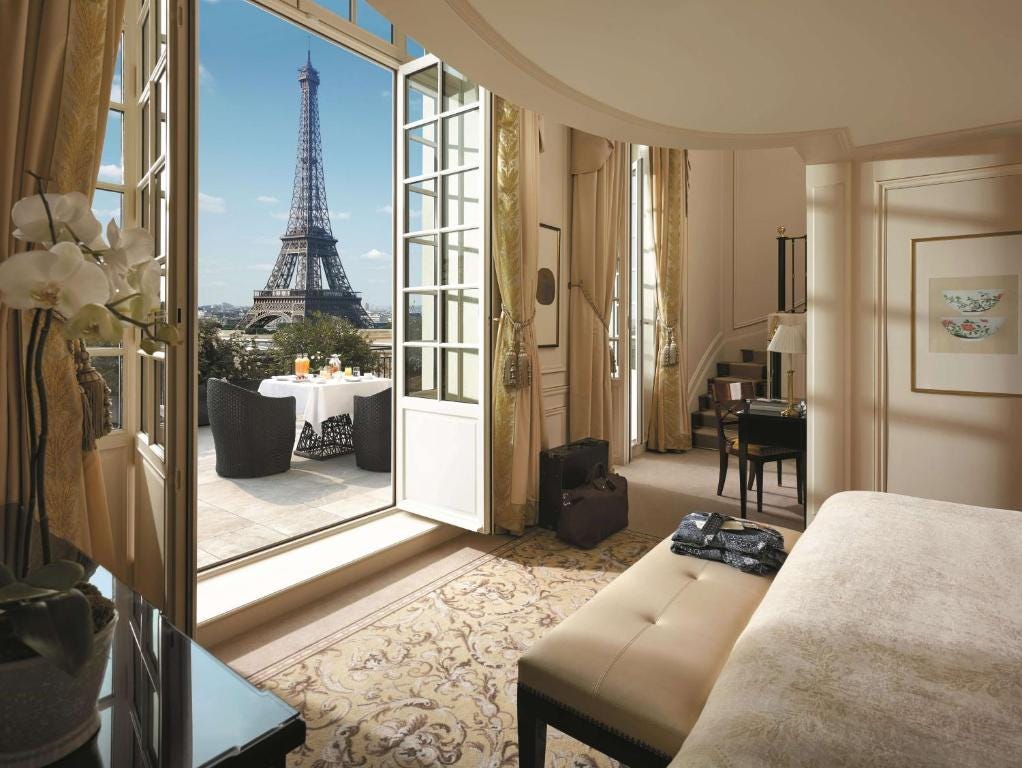
And I’m not the only one seeing this. In a Business of Fashion piece titled The Shangri-La Paris Hotel Refreshes Its Experiential Luxury Offering, Nicolas de Gols, recently appointed general manager of the Shangri-La Paris, describes exactly this shift:
“Twenty years ago, going to a restaurant was mostly about whether or not the food was great. You weren’t really thinking about the experience as a whole. Now, with the level of competition, you have to be particular about every detail — the sound, the lighting, the mood, even the scent when you enter the space. It’s no longer just about F&B — it’s about the overall experience. This has evolved a great deal over the last 10 years.”
And the market has already started turning this function into a job title — it just hasn’t agreed on the name yet: Chief Experience Officer, Chief Customer Officer, Chief Brand Officer. According to Gartner data, about 90% of organizations already have an executive with this mission, and at many companies the Chief Experience Officer title is even absorbing the CMO’s. The variety of names says a lot: everyone has understood that someone needs to answer for the entire experience, but every brand is still inventing its own way of giving that person a home.
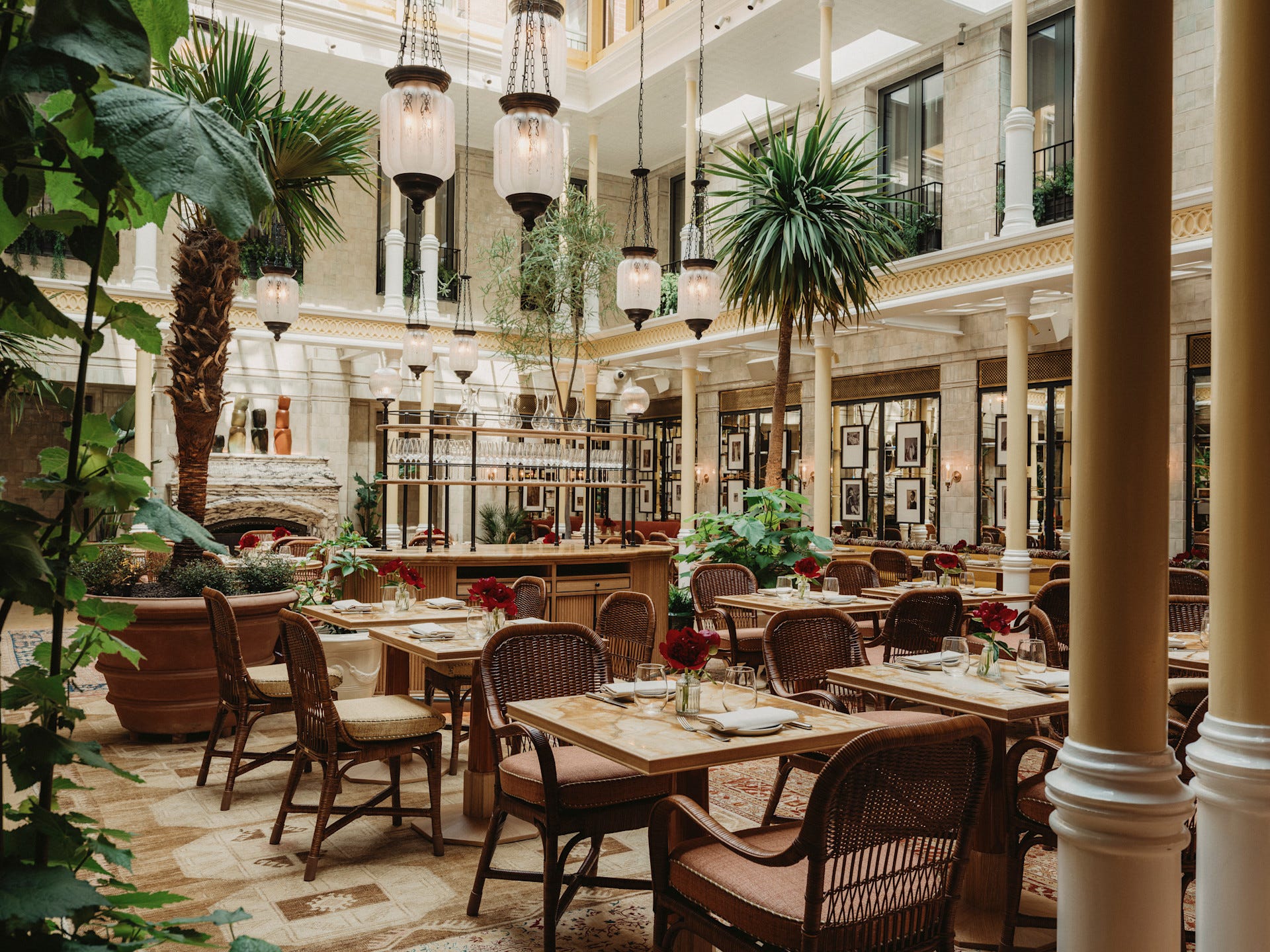
NoMad Hotels, for instance — known for its distinctive meeting of art, design, and hospitality — appointed a new Chief Brand Officer, Kristen Millar, in early 2026 to look after precisely the intersection of all the details that converge in the guest experience. Coincidentally (or not, for this article), she spent part of her career at Eleven Madison Park, where she grew intimate with the design of memorable experiences, and before the new role she was Global Brand Director at NoMad itself. According to Travel And Tour World, her job is to guarantee the consistency of the experience across the brand's hotels around the world, directing creative initiatives in interior design, digital channels, and art program curation, with the goal of offering a multisensory experience that reflects the brand's storytelling and cultural connections. In other words: an experience owner.
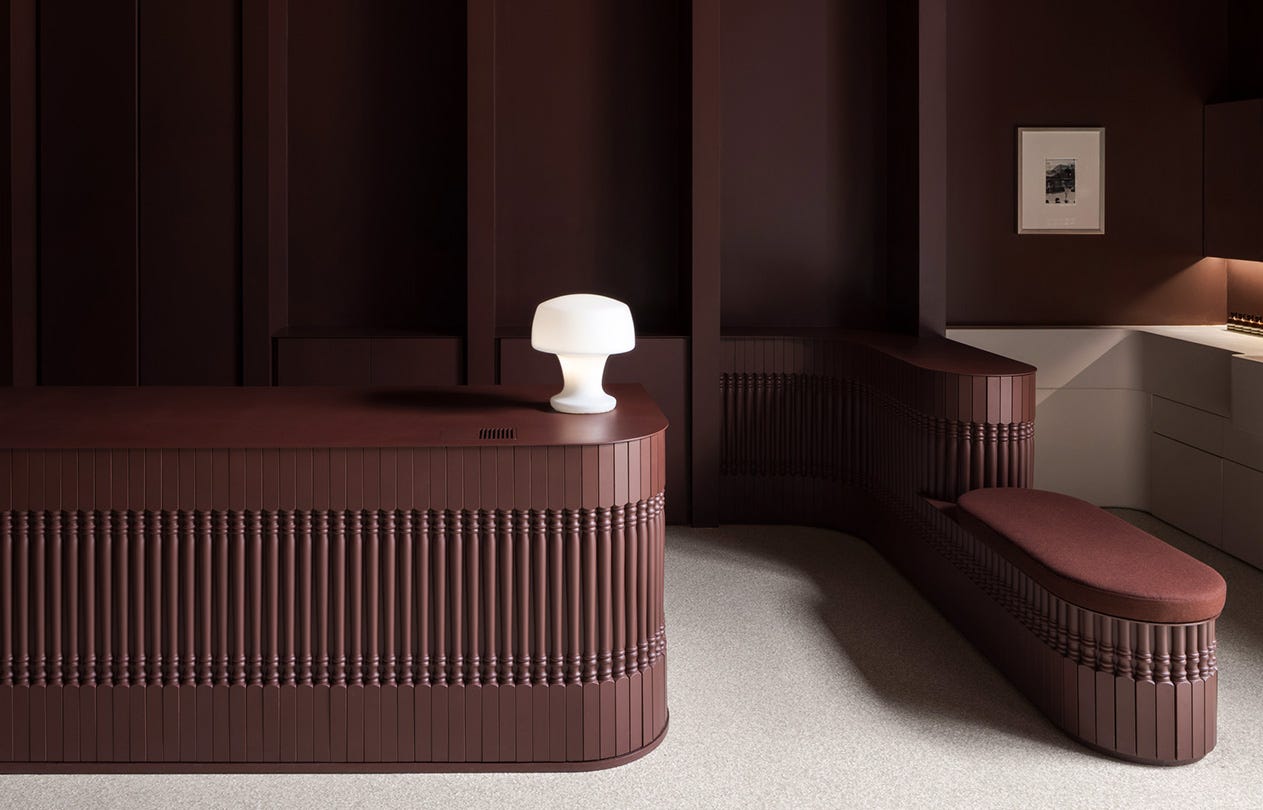
And I can speak about this with the intimacy of someone who spent nearly a decade inside a brand that has done it since its founding. At Aesop, the consistency across every detail was born at the hands of Dennis Paphitis himself and Suzanne Santos — who today, as Chief Customer Officer, still watches over every detail that converges in the experience at the front line, playing, in practice, the role of owner of the total experience.
Under the founders’ influence, no detail goes unnoticed at Aesop: from the way the hand towels are folded to the training on handing back a credit card with both hands, weight distributed evenly between both legs to convey presence. From the space planned into every store design to keep five to ten room diffusers hidden from view, to the endless standardization guides — from the ones common to retail, like the Visual Merchandising Guide and the Store Opening and Closing Guide (which includes a section on mixing the room fragrance into a bucket of hot water and washing the sidewalk every morning), to the ones unique to the brand, like the event hosting guide, with its curation of dark chocolates and local wines and instructions on how to set the table so the offering feels abundant and elegant.
The luxury market itself has understood that the industry is being pushed to migrate from exclusive products to purpose-driven experiences — that’s how premium pricing gets justified and how long-term engagement with the high-end consumer gets deepened. In that scenario, the experience owner stops being an organizational luxury. Back to Nicolas de Gols: “Nowadays, storytelling is crucial. You don’t just sell an experience — you sell emotion. And if that emotion doesn’t come through the story, then you are missing something.”
And emotion — as anyone who builds experiences knows — doesn’t survive inconsistency. That’s why every brand that takes itself seriously needs someone, one person or a group of them, answering for the experience as a whole: making sure every point is tied together, that the experience flows in every direction of a customer’s contact with the brand — from the building of the culture, through the hiring and training of the team, down to the choice of room fragrance — and that it stays consistent over the years. So that your customer, or guest, doesn’t watch it all collapse over a bad little espresso arriving with the check, and doesn’t walk out repeating phrases like “it used to be better.”
Thank you for reading,
Mafe.